


Free Consultations 408-848-1113 En Español
What Kinds of Jobs Are Susceptible to Trench Collapse Injuries?
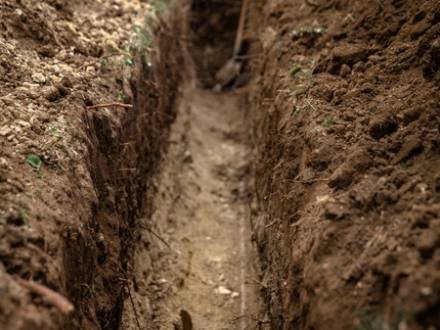 Trench work is quite dangerous, and it can happen in a wider variety of jobs than people realize. According to the Centers for Disease Control and Prevention (CDC), a single cubic yard of packed topsoil can weigh over 3,000 pounds – about the same as a compact car. Workers can be crushed and suffocated within minutes if there’s a cave-in. More than 80 percent of trench collapse deaths in recent years happened in the construction industry, but that still leaves nearly one in five victims working in other fields.
If you were injured in a trench collapse on the job, a Hollister personal injury attorney can help you understand whether you have a claim against your employer or another party.
Which Construction Jobs Carry the Highest Trench Collapse Risk?
Within that broad category of "construction jobs," certain roles face the greatest exposure. These include:
- Pipeline and sewer workers who dig trenches to install, repair, or replace underground pipes
- Plumbers performing residential or commercial sewer line connections
- Foundation workers excavating for basements or footings
- Road construction crews working on drainage and grading projects
- Underground utility installers running gas, water, or electrical lines
Federal OSHA standards (29 CFR §1926.652(a)(1)) require cave-in protection for any trench five feet deep or more. Despite this, employers may skip these protections, and workers pay the price.
What Jobs Involve Trench Work Besides Construction?
Trench collapses do not only happen on large commercial construction sites. Workers in a variety of fields are also regularly exposed to this hazard.
Telecommunications and Fiber Optic Workers
As internet infrastructure expands across the country, crews dig deep trenches to lay cable and fiber optic lines. Recently, a fiber optic installation worker in Kansas City died after getting trapped in a 25-foot-deep trench that collapsed around him. Telecommunications construction workers often face the same trenching hazards as traditional construction crews. They may not always receive the same level of safety training or oversight, though.
Irrigation and Agricultural Workers
In farming-heavy regions like San Benito County, irrigation trenches are a regular part of the job. Workers digging or maintaining irrigation systems – including drip lines, mainlines, and drainage channels – can be in unprotected excavations without even realizing the danger. The combination of loose, sandy, or wet soil and the lack of proper safety procedures makes these worksites especially risky.
Landscaping Workers
Landscaping crews frequently dig trenches for sprinkler systems, drainage pipes, and lighting conduit. These trenches may be shallower than those at major construction sites, but in certain situations, a collapse can still be deadly.
Gas and Propane Line Installers
Workers who install or service underground LP propane and natural gas lines must trench through a variety of soil types. The added presence of flammable materials makes a potential collapse even more dangerous.
Septic System Installers and Service Workers
Residential septic installation requires significant excavation. These workers dig large, deep holes and trenches. They often work in rural or semi-rural areas where soil conditions can be unstable and inspections are less frequent.
Environmental Remediation Workers
Crews hired to excavate and clean up contaminated soil or underground storage tanks work in some of the most unpredictable trench conditions. They deal with compromised soil structures and may face hazards beyond the collapse itself, such as toxic gases in the excavation.
What Are Your Legal Options After a Trench Collapse Injury in California?
If you were hurt in a trench cave-in, California law may give you several avenues for recovery. Workers' compensation is typically the starting point for on-the-job injuries in 2026. However, if a third party, such as a subcontractor, a general contractor, or an equipment supplier, contributed to the unsafe conditions, you may also have a personal injury claim separate from workers' comp. These third-party claims can allow you to recover damages beyond what workers' compensation covers. This can include full compensation for pain and suffering.
Employers who fail to follow OSHA's trenching standards are not just violating federal safety rules. They may also be civilly liable when those violations lead to harm.
Call a San Benito County Personal Injury Attorney Today
Trench collapse injuries can be catastrophic. Given the complicated nature of these claims, you need an attorney familiar with workers’ compensation and injury laws in California.
The Hollister personal injury lawyer at Raul Martinez Injury Law Firm has over 15 years of legal experience helping injured workers understand their rights and pursue the compensation they deserve. Call Raul Martinez Injury Law Firm at 408-848-1113 today for a free consultation.
Our Experience.
Your Recovery.
If you are facing challenges with a workers’ compensation claim, reach out to Raul Martinez Injury Law Firm today. You will receive clear guidance, steady support, and an advocate who understands how much this moment matters. Call 408-848-1113 to get the help you need.